
What a Building Inspector Actually Does Day to Day
Most people picture building inspectors with clipboards and hard hats, but the real job is messier, more detailed, and much more interesting than you might expect.
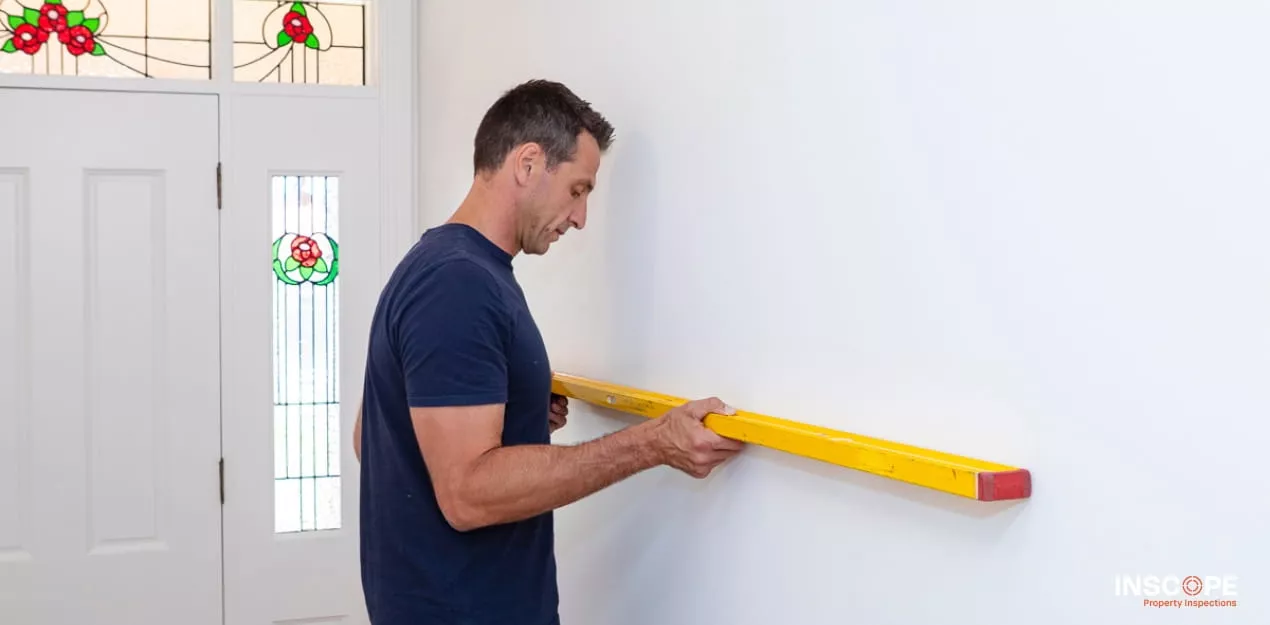
A building inspector often crawls through roof spaces, checks subfloor areas, and feels along walls to find cracks that reveal important details.
After years of inspecting buildings around Melbourne, I can say no two days are alike. One morning, you might be under a 1920s weatherboard house in Moonee Ponds checking for termite damage.
That afternoon, you could be at a new build in Essendon, noticing where the plasterer took shortcuts.
Here’s what a typical day actually involves:
- Reviewing the property details and any previous reports before arriving on site.
- Doing a full external walk-around, checking the roof, gutters, brickwork, and drainage.
- Moving inside to inspect every room for defects like cracking, moisture, uneven floors, and poor workmanship.
- Accessing the roof cavity and subfloor where most hidden problems live.
- Documenting everything with photos and detailed notes.
- Writing a clear inspection report the client can actually understand.
Writing the inspection report often takes longer than people think. A good report is more than a checklist. It explains what’s wrong, why it matters, and what needs to be fixed.
You have to turn building knowledge into plain English for people who may be making the biggest purchase of their lives.
It's Not Just Looking at Walls

Many people don’t realize how physical this job can be. You’ll find yourself in crawl spaces with spiders, climbing ladders in the rain, and using moisture meters on bathroom tiles while the owner watches nervously.
You also need to know your work inside and out. Building codes change, and the National Construction Code is updated regularly.
A building inspector who stopped learning five years ago is already out of date. The Victorian Building Authority sets the standards you’ll work under, so you need to know those rules inside and out.
The most important skill is pattern recognition. After hundreds of inspections, you start to notice things more quickly. For example, a hairline crack above a door frame usually has a cause.
It often means the footing has shifted. A faint stain on the ceiling usually means there is an active problem, not an old one. I have seen this many times, and often the owner had no idea water was coming in.
The People Side of the Job
You also spend a lot of time talking to people. Some are nervous first-home buyers, others are stressed sellers, and some are builders who don’t like having their work inspected. You need to be honest but not dramatic.
A young couple in Ascot Vale just found their dream home. You inspect it and find major structural cracking and signs of past flooding. Telling them is hard. But that’s the job. You give them the facts so they can make a smart decision.
Some days you’re doing pre-purchase property inspections. Other days, it’s handover inspections on new builds or building-defect inspections for owners who suspect something’s off. The variety keeps it interesting, the responsibility keeps it serious.
This isn’t a desk job with a view. It’s boots-on-the-ground work that directly protects people from costly mistakes. If that sounds like something you’d be good at, keep reading.
Qualifications and Training Required to Enter the Field

Here’s where most people get stuck. They want to become a building inspector but don’t know what qualifications they actually need.
I’ve had blokes ask me about this at job sites around Moonee Ponds for years. The answer isn’t as complicated as you’d think, it just takes commitment.
You need a minimum of a Certificate IV in Building and Construction (Building). That’s the baseline.
Some inspectors hold a diploma-level qualification, and the extra study gives you a real edge when you’re out on site looking at structural defects or drainage problems in older homes.
The Core Training Path
Your training journey follows a pretty clear sequence:
- Complete a Certificate IV in Building and Construction (CPC40120 or equivalent) through a registered training organisation (RTO). This covers building codes, construction methods, and how to read plans.
- Gain hands-on experience in the building or construction industry. Most people spend at least two to five years working on builds before they go into inspections.
- Enrol in a specialist building inspection course. These short courses teach you how to identify defects, write reports, and properly use moisture meters and thermal cameras.
- Apply for registration with the Victorian Building Authority (VBA). You’ll need to show your qualifications and relevant experience.
- Get professional indemnity insurance. You can’t operate without it.
That’s the bones of it. But there’s more to unpack.
Industry Experience Matters More Than You Think
I’ve seen this on dozens of builds. A qualification on paper doesn’t mean you can spot a cracked bearer under a subfloor in Ascot Vale.
You need years of looking at real construction problems. Waterproofing failures. Termite damage hidden behind plasterboard. Roof framing that doesn’t meet Australian Standards.
The VBA expects you to demonstrate practical building knowledge. According to the Victorian Building Authority’s registration guidelines, candidates must show a combination of formal education and supervised practical experience before they can work independently.
Specialist Skills You'll Need
Beyond the formal cert, there are skills no classroom teaches you:
- Reading body language from vendors who don’t want you poking around certain areas of a property
- Writing clear, plain-English inspection reports that buyers actually understand
- Knowing local building stock. Melbourne’s inner-west has many Edwardian and interwar homes with specific issues such as rising damp and deteriorating mortar.
- Staying current with the National Construction Code updates
Most buyers don’t find out about hidden defects until it’s too late. That’s why good building inspectors need sharp eyes and sharper instincts.
One thing people overlook is ongoing professional development. The industry changes. New materials hit the market. Building codes get updated. If you’re not learning every year, you’re falling behind.
So do you need a university degree? No. But you do need grit, real site experience, and the right certifications.
If you’re serious about this career path and want to understand what a working building inspector actually does day to day, have a look at our building inspector service page. It’ll give you a clear picture of the job in action across Melbourne.
The barrier to entry isn’t impossibly high. It just rewards people who’ve done the hard work on real job sites first.
VBA Registration Is Required Before You Can Inspect for a Fee
Here’s where most people trip up. You can have every qualification in the world, but you can’t charge for a building inspection in Victoria without VBA registration.
The Victorian Building Authority controls who gets to operate as a building inspector. No registration, no legal right to inspect.
That’s not a suggestion. It’s the law.
The VBA maintains a public register of every registered building practitioner in the state. Your name needs to be on it before you touch a single inspection report.
I’ve seen blokes around Moonee Ponds and nearby suburbs try to freelance inspections without proper registration, it catches up with them fast. Fines are real. Liability is worse.
What the VBA Actually Requires
To get on the register as a building inspector, you’ll need to meet a few non-negotiable requirements.
The Building Inspector registration requirements set out exactly what qualifications, experience, and insurance you need to submit a complete application:
- Hold a relevant qualification (like the Certificate IV or Diploma in Building and Construction)
- Show proof of practical experience in the building industry
- Carry the right level of professional indemnity insurance
- Pass a fit and proper person check run by the VBA
- Pay the registration fee and submit your application with supporting documents
The VBA doesn’t just rubber-stamp applications. They review your experience, qualifications, and insurance, and they can reject you if anything doesn’t add up.
Registration Categories Matter
Not all building inspector registrations are the same. The VBA has different categories depending on what type of work you want to do. Some inspectors focus on residential building inspections.
Others handle commercial building inspection work. You need to apply for the category that matches your qualifications and the type of inspections you plan to carry out.
Pick the wrong category, and you’ll be limited in what jobs you can legally take on.
Most people starting aim for residential work first. That’s where the volume is, especially across Melbourne’s inner suburbs. Think about all the older homes around Moonee Ponds and Ascot Vale.
Pre-purchase property inspections, building defects inspections, pre-settlement inspections. There’s steady demand for qualified inspectors who know what to look for in these properties.
Renewal and Ongoing Obligations
Registration isn’t a one-and-done deal. You’ll need to renew it. The VBA requires you to maintain your insurance, keep up with continuing professional development, and stay compliant with the Building Act 1993. Let your registration lapse, and you’re back to square one.
But here’s something most people don’t realise until it’s too late. Your CPD (continuing professional development) hours aren’t optional extras. The VBA tracks them.
Miss your requirements and your renewal gets held up. I’ve heard of inspectors losing weeks of work because they didn’t log their training hours on time.
So treat it like part of the job because it is.
One more thing. The VBA also has the power to audit your inspection reports and investigate complaints. If a homeowner disputes your findings on a pre-purchase house inspection, the VBA can step in.
Your reports need to be thorough, accurate, and defensible every single time.
If you’re serious about becoming a building inspector in Melbourne, VBA registration is the gate you have to walk through.
There’s no shortcut around it. Get your qualifications locked in, gather your experience documentation, sort your insurance, then apply.
If you want to see what a proper building inspection career looks like in practice, check out our building inspector page to understand the standards we hold ourselves to on every job.
Frequently Asked Questions
Do I need a trade background to become a building inspector in Melbourne?
A trade background helps a lot, but it is not a hard requirement. Most inspectors come from carpentry, plumbing, or construction project roles.
What the Victorian Building Authority looks for is a mix of formal qualifications and real hands-on experience.
How long does it take to become a registered building inspector in Victoria?
Most people take four to seven years from start to registration. Your Certificate IV takes one to two years depending on how you study.
Then you need two to five years of practical building experience before the Victorian Building Authority will consider your registration application.
What kinds of properties do building inspectors work on in Moonee Ponds?
Moonee Ponds has a strong mix of Edwardian and interwar homes alongside newer apartment builds and renovated period properties.
That means inspectors here regularly deal with rising damp, deteriorating mortar, subfloor timber damage, and aging drainage systems.
Is a building inspector the same as a building surveyor?
No, these are two different roles. A building surveyor approves building permits and checks that construction meets regulations during the build process.
A building inspector assesses existing properties for defects, structural issues, and maintenance problems.
What is the biggest mistake people make when trying to enter the building inspection industry?
The biggest mistake is rushing the experience phase to get registered faster. Some people complete their Certificate IV and apply to the VBA without sufficient on-site experience.
That catches up with you quickly once you are out on your own.
Do building inspectors in Melbourne need insurance before they can work?
Yes, professional indemnity insurance is required before you can operate as a registered building inspector in Victoria. This protects you and your clients if a defect is missed and a dispute follows.
You cannot legally offer inspection services without it.
