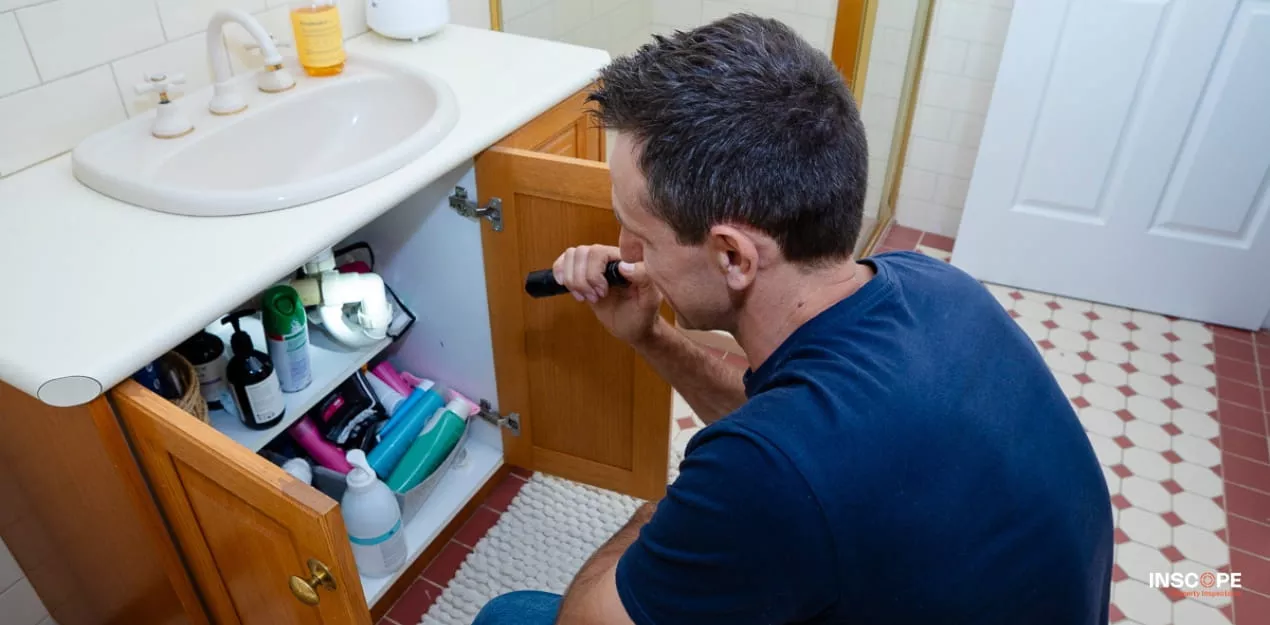

Who pays for a building inspection in Melbourne? Here’s the short answer: In most cases, the buyer pays for it. Not the seller. Not the agent. You, the person about to hand over hundreds of thousands of dollars, foot the bill for finding out what you’re buying.
This is where the importance of inspection steps in. It helps you understand the property’s condition before you agree to buy.
Knowing who pays and who arranges the inspection can save you time and stress. It can also help you avoid costly surprises after you move in.
Whether you’re buying a unit in Southbank, a weatherboard home in Preston, or a family house in the eastern suburbs, the process is much the same. Knowing what to expect makes it easier to plan your next step and buy with confidence.
Who Pays for a Building Inspection? The General Rule
In Melbourne, the buyer usually pays for the building inspection. The seller and the real estate agent don’t normally cover this cost because the inspection is for the buyer’s benefit.
Why does this work this way? Simple. A building inspection gives you an independent report on the property’s condition.
It looks for visible problems that could affect safety, value, or future repair costs. During a private sale, you’ll usually need to arrange a pre-purchase building inspection before the contract becomes unconditional or within the time allowed in your contract.
A qualified building inspector in Melbourne may check for issues such as:
- Cracks in walls or foundations
- Roof damage or leaks
- Moisture or rising damp
- Timber damage
- Signs of poor maintenance
Many of these problems are easy to miss during a busy open home. Fresh paint and tidy gardens can make a property look well cared for, even when hidden issues are still there.
Don’t assume the real estate agent has already organised an inspection. The agent works for the seller and helps manage the sale. If you want independent advice, you’ll need to choose your own qualified building inspector.
This also means the report is prepared for you, not anyone else. You can ask questions, discuss the findings, and decide what to do next based on your own needs.
There is one common exception to this general rule, and that’s when you buy at auction.
Auctions Are Different
Buying at auction is different from buying through a private sale. Auction purchases are unconditional in most cases. There is no cooling-off period, and you can’t add a building inspection condition after the auction ends.
If you’re thinking about bidding, arrange your building inspection before auction day. Waiting until after the auction could leave you responsible for repairs you didn’t expect.
Many Melbourne buyers inspect several homes before finding the right one. While that may mean paying for more than one inspection, it can also prevent much bigger repair bills later.
Because auction contracts are unconditional, it’s harder to negotiate after you’ve won the auction. Having a building inspection first helps you understand the property’s condition and decide how much you’re comfortable bidding.
Some sellers provide a pre-auction building inspection report. This can be useful, but it shouldn’t replace your own inspection. A report prepared for you gives you confidence that the advice is focused on your interests.

Private sales are usually more flexible. In most cases, the buyer will:
- Arrange the building inspector.
- Pay for the inspection.
- Choose the inspector.
- Review the report before the contract becomes unconditional or within the agreed inspection period.
Try to book your inspection as early as possible. That gives you time to read the report, speak with the inspector, and decide what to do next.
If major problems are found, you may be able to negotiate with the seller, withdraw under the contract, or simply decide the property isn’t right for you.
Why the Buyer Usually Covers the Cost
In Melbourne, buyers usually pay for the building inspection because they’re the ones taking on the risk. While no law in Victoria says buyers must pay, this is the standard practice across the property market.
When you arrange your own inspection, the report is prepared for you. The inspector works on your behalf and explains any problems they find. That makes it easier to decide whether to move ahead with the purchase.
The report may also help if you need to negotiate with the seller. Knowing about defects before settlement puts you in a better position than finding them after you’ve moved in.
Buyers usually arrange and pay for the inspection because:
- They receive an independent opinion.
- They choose their own inspector.
- The report may support price negotiations.
- It forms part of their due diligence.
These steps give buyers more control during the purchase. Instead of relying on information prepared for someone else, you receive advice that suits your own situation.
Even if the inspector doesn’t find major defects, the report can still be valuable. It may highlight small repairs or maintenance jobs that you’ll want to budget for after settlement. Many Melbourne buyers appreciate knowing what’s ahead instead of being surprised a few months after moving in.
Compared with the cost of buying a home, a building inspection is a relatively small expense. For many buyers, it’s money well spent because it provides clear information before making one of life’s biggest financial decisions.
When a Seller Arranges a Pre-Sale Inspection Report

Some sellers arrange a pre-sale inspection before putting their property on the market. This is also called a vendor inspection. The seller pays for the report before advertising the home.
A pre-sale inspection can help sellers:
- Find defects before listing.
- Complete repairs.
- Disclose known issues.
- Set a realistic asking price.
For buyers, the report can be a helpful starting point. Even so, it’s still wise to arrange your own independent building and pest inspection. Having both reports lets you compare the findings and ask your inspector about anything that seems different.
| Pre-Sale Inspection | Buyer’s Independent Inspection |
| Organised and paid for by the seller. | Organised and paid for by the buyer. |
| Prepared before the property is listed. | Prepared before the buyer commits to the purchase. |
| Helps the seller understand the property’s condition. | Helps the buyer make an informed decision. |
| May be shared with buyers. | Supports the buyer’s negotiations and decision-making. |
It’s also worth checking when the vendor’s report was completed. If it was prepared several months earlier, the property’s condition may have changed. Melbourne’s weather, repairs, and normal wear and tear can all affect a home over time.
If the seller provides a report, read it carefully. Then compare it with your own inspection before making your final decision. Looking at both reports gives you a more complete picture of the property’s condition.
Who Pays for a Building Inspection in Melbourne? A Quick Recap
If you’re wondering who pays for a building inspection in Melbourne, the answer is usually the buyer. Paying for your own inspection gives you a clearer picture of the property’s condition before you sign a contract or bid at auction.
Some sellers may provide a pre-sale inspection report, but it’s still worth arranging your own inspection. An independent report helps you understand the property’s condition, ask questions, and make your decision with greater confidence. Request a building inspection quote to get started.
Frequently Asked Questions
Is the buyer legally required to pay for a building inspection in Melbourne?
No, the buyer is not legally required to pay for a building inspection in Melbourne. There is no law in Victoria that says buyers must cover the cost.
Even so, this is the normal way property sales work across Melbourne. Buyers usually arrange and pay for the inspection because it helps them understand the property’s condition before they commit. It also lets them choose their own inspector and receive a report prepared for their needs.
What's the difference between a vendor's report and my own independent inspection?
A vendor’s report is prepared for the seller, while an independent inspection is prepared for the buyer. Both reports can provide useful information, but they serve different purposes.
A vendor’s report gives buyers an overview of the property’s condition. Your own inspection focuses on your interests and gives you the chance to ask the inspector about any defects, repairs, or maintenance concerns. Many Melbourne buyers see this as an extra layer of confidence before making such a big purchase.
Can I arrange a building inspection before an auction in Melbourne?
Yes, you can arrange a building inspection before an auction in Melbourne. In fact, it’s one of the most important things you can do before bidding.
Auction sales are usually unconditional. Once the hammer falls, you generally can’t ask for a building inspection as part of the contract. Booking your inspection early gives you time to read the report, talk with your inspector, and decide whether the property is worth bidding on.
Why do older homes in Melbourne need a building inspection?
Older homes in Melbourne often need a careful building inspection because hidden problems can build up over time. A home may look well looked after during an inspection, but some issues aren’t easy to spot.
A building inspector can identify problems such as:
- Rising damp
- Roof damage
- Ageing wiring
- Structural movement
- Timber damage
Many of Melbourne’s older suburbs are known for their character homes. While these properties have plenty of charm, it’s always worth checking their condition before you buy.
How much time do I need to arrange a building inspection?
You should arrange your building inspection as early as possible. Booking early gives the inspector enough time to inspect the property and prepare the report before your cooling-off period or inspection deadline ends.
It also gives you time to read the report, ask questions, and think through your options. If major defects are found, you’ll be in a much better position to negotiate with the seller or decide whether to continue with the purchase.
Should I skip my own inspection if the seller already provided one?
No, you should not skip your own inspection if the seller already provided one. A vendor’s report can be helpful, but it was prepared for the seller, not for you.
Arranging your own inspection gives you independent advice about the property’s condition. It also lets you ask questions about anything that concerns you before you commit. For many Melbourne buyers, the cost of an inspection is small compared with the peace of mind it can provide before buying a home.
