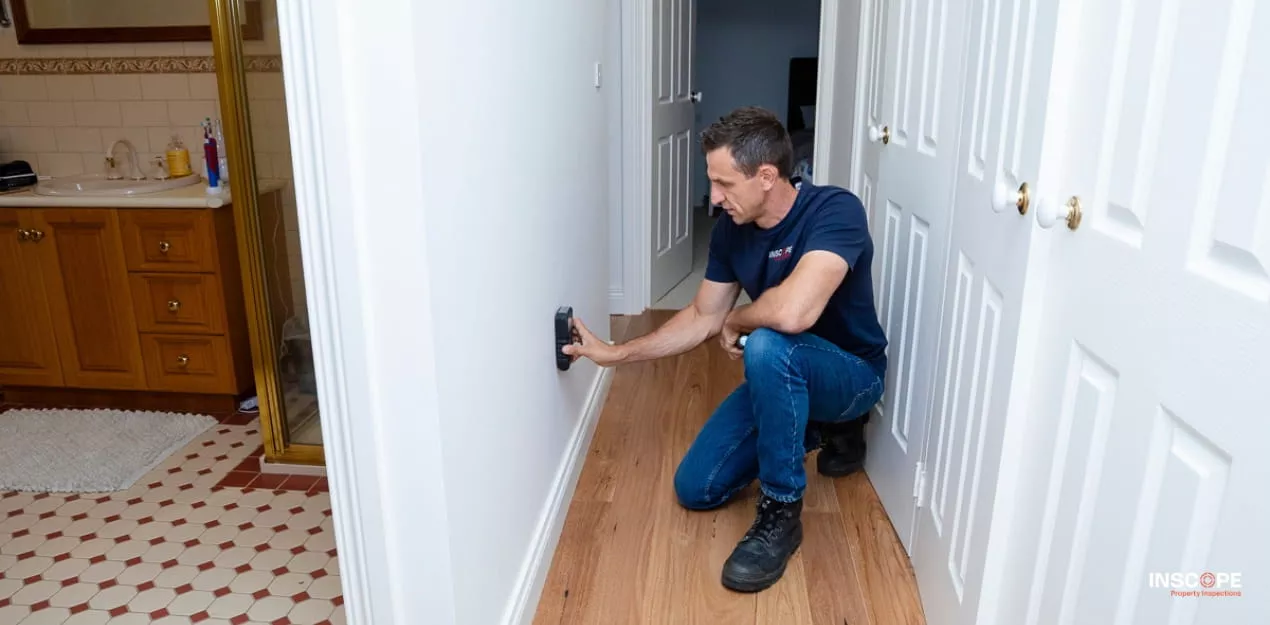

What does a building inspector do in Melbourne? Most people picture someone walking around with a clipboard, ticking boxes. A proper inspection goes much deeper than that.
An experienced building inspector reads the home like a builder, looking for signs of poor workmanship, hidden damage, and defects that could cost you later.
Here’s what that looks like during an inspection.
What a Building Inspector Does
Every inspection starts with a full check of the property’s condition; how long a building inspection takes depends on the size and age of the home. I inspect the roof space, subfloor where access is available, the exterior, wet areas, and the key structural parts of the home.
During a typical building inspection, I:
- Check the outside of the home for drainage issues, movement, and cladding defects.
- Inspect the roof space for leaks, framing issues, insulation, and water damage.
- Look under the house for moisture, timber rot, pest activity, and foundation concerns where access allows.
- Examine walls, ceilings, floors, windows, and doors for signs of movement or damage.
- Inspect bathrooms, laundries, and other wet areas where hidden defects are common.
- Take clear photos to support every finding.
- Explain the results in plain English before providing the written report.
Separating the Serious from the Small Stuff

I don’t hand you a long list of defects and expect you to work it out yourself. I rank every issue by its level of risk, so you know what needs attention first.
Every report clearly separates:
- Major defects that may affect the structure or require costly repairs.
- Safety hazards that need prompt attention.
- General maintenance items that come with normal home ownership.
This makes the report easier to understand. You’ll know which issues need urgent action, which ones can wait, and what they could mean before you decide to move forward.
I also take time to answer your questions. Understanding what I found, why it matters, and what to do next is just as important as the inspection itself.
What Gets Checked During a Building Inspection?

A building inspection covers far more than what’s visible at first glance. I inspect every accessible part of the property to identify defects, safety concerns, and signs of damage that could lead to expensive repairs.
No two homes are exactly the same. Older homes often have different issues from newer builds, so I adjust my inspection based on the property’s age, construction, and condition.
During a pre-purchase building inspection, I check:
- The roof exterior and roof space for leaks, damaged roofing materials, poor flashing, and framing issues.
- The subfloor and foundations where access is available, looking for movement, moisture, timber rot, and damaged stumps.
- Walls, ceilings, and floors for cracks, sagging, and signs of structural movement.
- Windows and doors to check their condition, operation, and signs of movement around the frames.
- Bathrooms, laundries, and kitchens for moisture damage, waterproofing issues, and leaks.
- Exterior walls, cladding, paving, retaining walls, and drainage that may affect the property’s condition.
Not every defect is easy to spot during an open inspection. Some problems develop slowly over many years, while others result from poor workmanship or renovations that don’t meet the required standard.
Looking beyond the surface helps identify issues that could affect the property’s safety, performance, or future maintenance costs.
Each area of the home tells a different story. Roof spaces can reveal past water leaks or damaged framing. Subfloors often expose moisture problems, timber rot, or movement that isn’t visible from inside the home.
Wet areas are closely inspected because waterproofing failures can remain hidden until significant damage has already occurred. Even the way windows and doors open and close can provide clues about movement within the structure.
Some defects aren’t obvious during a quick walk-through. Fresh paint, recent renovations, or furniture placement can hide signs of movement or water damage that need a closer look.
I also look for warning signs that many buyers miss, including rising damp, poor drainage, roof leaks, timber decay, and conditions that may attract pests. Finding these issues early can save you from unexpected repair costs after settlement.
Every accessible area is inspected with the same level of care. My goal is to give you a clear picture of the property’s condition, so you can make an informed decision before committing to the purchase.
Common Issues Found During a Building Inspection
Every property has wear and tear, but some defects deserve closer attention than others. A pre-purchase building inspection helps identify problems that could affect the home’s safety, condition, or future repair costs before you commit to the purchase.
Some of the most common issues I find include:
- Structural movement. Cracks in walls, ceilings, or brickwork may indicate movement that needs further assessment.
- Moisture and water damage. Water stains, damp areas, and poor ventilation can point to leaks or ongoing moisture problems.
- Roof defects. Damaged roofing materials, loose flashing, blocked gutters, or signs of past leaks can lead to more extensive damage if left untreated.
- Poor drainage. Water collecting around the home can contribute to rising damp, foundation movement, and damage over time.
- Timber rot and decay. Moisture can weaken timber framing, flooring, and other structural elements, particularly in older homes.
- Defective waterproofing. Bathrooms, laundries, and other wet areas are common places for hidden water damage when waterproofing has failed.
- Poor workmanship. Renovations and repairs don’t always meet the expected standard. Uneven finishes, incomplete work, or shortcuts can create problems later.
Not every defect means you should walk away from the property. Some are part of normal homeownership and can be managed with routine maintenance. Others may require more urgent repairs or further investigation before you move forward with the purchase.
That’s why I don’t just record what I see. I explain how significant each issue is, whether it needs immediate attention, and how it could affect the property over time. My reports clearly separate major defects, safety hazards, and general maintenance items, helping you understand what really matters.
The Areas We Cover
Whether you’re buying in Melbourne’s inner suburbs, outer suburbs, or surrounding areas, the inspection process remains the same. Every accessible part of the property is assessed carefully, with the inspection tailored to the home’s age, construction, and visible condition.
Local knowledge makes a real difference during a building inspection.
Melbourne has a wide mix of homes, from Victorian terraces and weatherboard houses to brick veneer properties, modern townhouses, and new builds. Each type of home has its own strengths and common defects.
Older homes may show signs of structural movement, ageing timber, rising damp, or roof wear that has developed over many years. Newer homes can also have problems, including poor workmanship, waterproofing failures, roof defects, or incomplete finishes that aren’t always obvious during a walkthrough.
Knowing what to look for in different types of Melbourne homes helps identify issues that others may overlook. Every inspection is tailored to the property’s age, construction, and visible condition, giving you a clearer understanding of its overall state before you commit to the purchase.
Building Inspector vs Pest Inspector: What's the Difference?
Many buyers think a building inspection and a pest inspection are the same thing. They aren’t. Each serves a different purpose, and together they provide a more complete picture of the property’s condition before you buy.
| Building Inspection | Pest Inspection |
| Assesses the property’s structural condition and overall state. | Looks for termites, borers, timber decay, and other timber pests. |
| Identifies defects such as cracking, roof damage, moisture issues, drainage problems, and poor workmanship. | Identifies active pest infestations, timber damage, and conditions that may attract pests. |
| Helps you understand issues that may affect safety, value, or future repair costs. | Helps you understand pest-related risks that may not be visible during a standard inspection. |
| Focuses on the home’s construction and condition. | Focuses on pest activity and damage to timber elements. |
Some buyers only arrange a building inspection or a pest inspection. While each provides valuable information, they assess different risks. Booking both gives you a more complete understanding of the property’s overall condition before you commit to the purchase.
Why Choose a Combined Building and Pest Inspection?
A combined inspection saves time and makes the buying process simpler. Instead of organising two separate inspections, you receive one visit and one report covering both structural defects and pest activity.
Many structural defects and pest problems are linked. Moisture entering the home can contribute to timber decay, while damaged timber may attract pests over time. Assessing both during the same visit provides a clearer picture of the property’s condition.
With a combined inspection, you’ll benefit from:
- One inspection appointment.
- One detailed report covering both inspections.
- A clearer understanding of how structural and pest issues may be connected.
- One point of contact if you have questions after the inspection.
I carry out every combined building and pest inspection personally. You’ll receive a report that clearly separates major defects, safety hazards, pest findings, and maintenance items, making it easier to understand the property’s condition and make an informed decision before you buy.
Frequently Asked Questions
Can I check a house myself instead of hiring a building inspector?
You can inspect a property yourself, but it’s easy to miss defects that aren’t obvious during an open inspection. A qualified building inspector knows where to look for signs of structural movement, moisture, poor workmanship, and other issues that could lead to costly repairs after settlement.
What's the biggest mistake people make when reading an inspection report?
The biggest mistake is treating every defect as equally serious. A good report separates major defects, safety hazards, and general maintenance items, helping you understand what needs immediate attention and what can be monitored over time.
Do older homes in Melbourne need a different kind of inspection?
Older homes in Melbourne often have different issues from newer properties. They may show signs of ageing timber, rising damp, structural movement, or roof wear. That’s why I tailor every inspection to the property’s age, construction, and overall condition.
Can a renovated house still have hidden structural problems?
Yes. Renovations can improve a property’s appearance, but they don’t always address underlying defects. Fresh paint, new flooring, or updated finishes can hide cracks, moisture damage, or poor workmanship that require a closer inspection.
What should I expect on the day of a building inspection?
On the day of a building inspection, you should expect a thorough assessment of the property’s accessible areas, including the roof space, subfloor where access is available, interior, exterior, and wet areas. I’ll document any defects, take supporting photos, and explain the findings in plain English before providing your report.
How long is a building inspection report useful after settlement?
A building inspection report reflects the property’s condition on the day of the inspection. After settlement, you can still use it as a practical guide for planning repairs, monitoring maintenance items, and prioritising future work around the home.
Make an Informed Property Decision
If you’re wondering what a building inspector does in Melbourne, the answer is simple: they help you understand a property’s true condition before you buy.
With a thorough inspection and clear reporting, you can make an informed decision with confidence. Request an inspection quote today.
