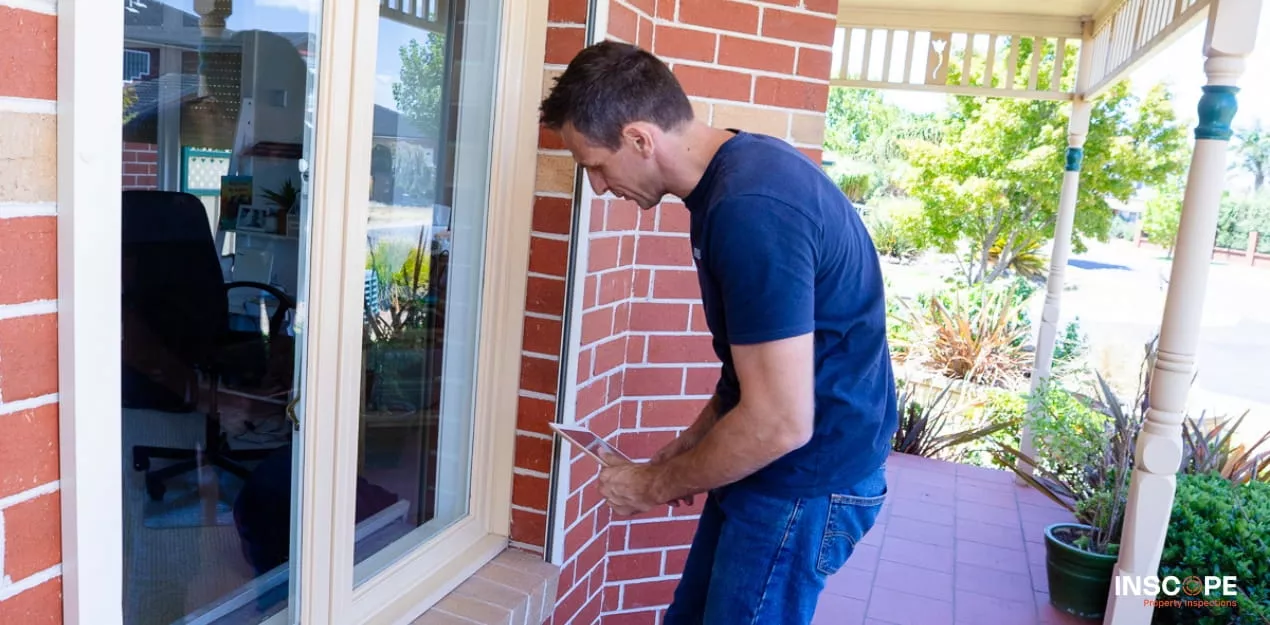

Pre-Purchase Building Inspections Help Buyers Avoid Costly Surprises
A pre-purchase building inspection happens before you sign on a property. Let’s say you’re buying a house in Moonee Ponds, or you’ve found one you love on Pascoe Vale Road or near Queens Park.
Everything looks great at the open home. Fresh paint, nice garden, clean carpets. But what’s behind those walls?
That’s what keeps me busy.
I’ve crawled under hundreds of homes across Moonee Ponds and the surrounding suburbs. Most buyers don’t find out about problems until it’s too late.
Cracked stumps, active termite damage, rising damp in subfloor areas. These aren’t small fixes. They’re the kind of issues that turn a dream home into a money pit.
What a Pre-Purchase Inspection Actually Covers
A pre-purchase property inspection looks at the visible and accessible parts of a building. Your inspector checks the structure, the roof, the exterior, wet areas, and everything in between. Here’s what gets examined:
- Structural integrity of walls, floors, ceilings, and roof framing
- Signs of moisture, mould, or water damage in bathrooms, kitchens, and laundries
- Condition of the subfloor space including stumps, bearers, and joists
- External drainage, guttering, and site grading around the home
- Evidence of cracking, movement, or previous repairs that weren’t done right
The goal is simple: you get a clear picture of the property’s real condition before you commit your money.
Why It Matters in Moonee Ponds Specifically
A lot of the housing stock around Moonee Ponds is older. Edwardian homes, interwar weatherboards, brick veneers from the 1950s and 60s. Beautiful homes, but they come with age-related issues that newer builds don’t have.
According to the CSIRO, large portions of Melbourne’s inner-west sit on clay soils that expand and contract with moisture changes, and that movement cracks foundations. It shifts door frames.
It creates gaps you might not notice during a walk-through.
I’ve seen properties in Ascot Vale and Essendon where the owners had no idea their home was sitting on compromised stumps. The floors felt a little bouncy, and they thought that was just “character.”, but it wasn’t.
The Real Cost of Skipping This Step
Here’s a scenario I see all the time. A buyer falls in love with a place, the auction is Saturday, they decide the inspection can wait. They win the property.
Two months later they discover the bathroom has been leaking into the subfloor for years. Reframing and restumping cost tens of thousands of dollars.
That inspection would’ve flagged it.
But you don’t always walk away from a problem. Sometimes the inspection gives you leverage to negotiate. You know exactly what needs fixing, and you can factor that into your offer. Knowledge is your tool at any auction or private sale.
So if you’re looking at a property anywhere in Moonee Ponds or nearby, get the pre-purchase building inspection done first. Not after. Not “if there’s time.” Do it before you bid and before you sign. It’s the single smartest move you can make as a buyer.
If you want to understand what a full inspection report looks like or book one before your next open home, check out our pre-purchase property inspections page for the details.
Pre-Handover Inspections Protect New Home Buyers Before They Accept the Keys
You’ve waited months or maybe over a year. Your new home in Moonee Ponds is finally ready, and the builder calls you up and says it’s time to collect the keys.
Most buyers get excited and rush through this moment. That’s a mistake. Once you accept those keys, your leverage disappears.
A pre-handover inspection happens right before settlement on a brand new home. It’s your one real chance to catch defects while the builder is still legally required to fix them.
I’ve seen dozens of new homes where buyers walked through, thought everything looked fine, then discovered cracked tiles and misaligned doors three weeks later. By then, getting the builder back to the property feels like pulling teeth.
What a Pre-Handover Inspection Actually Covers
This isn’t a walk-around. A proper building inspection on a new home checks every room, every surface, every fitting. The inspector documents everything the builder needs to address before you sign off. Here’s what gets checked:
- Paint finish quality on walls, ceilings, and trims for runs, patches, or uneven coats
- Door and window operation to make sure they open, close, and lock properly
- Wet area waterproofing signs in bathrooms, laundries, and kitchen areas
- Tiling work for lippage, cracked grout, or hollow spots underneath
- External cladding, brickwork, and drainage around the property
Every item goes into a detailed report. You hand that report to your builder, they fix the issues before you settle. Simple process, but it only works if you do the building inspection before handover day.
Why New Homes Still Have Defects
People assume new means perfect. It doesn’t. According to the Victorian Building Authority, building disputes related to defective work remain among the most common complaint categories it handles each year.
New homes get built fast, subcontractors rotate through the site, and things get missed.
I’ve inspected new homes in Moonee Ponds where the shower screen wasn’t sealed properly. Water was already tracking behind the wall lining.
The owners hadn’t moved in yet. That’s the kind of defect you can’t see with your eyes, but a building inspection picks it up straight away.
Here’s what most people don’t realise—cosmetic defects matter too. A scratch on a benchtop or a dent in a door might seem small. But if you don’t document it before handover, it becomes your problem to fix.
Timing Is Everything
Book your pre-handover inspection after the builder’s practical completion notice but before your settlement date.
You need enough time between the inspection and settlement for the builder to complete any rectification work. Rushing this step defeats the purpose.
The Australian Building Codes Board outlines mandatory inspection stages for new residential builds, which helps explain why it’s so important to time your pre-handover check correctly.
Understanding where your inspection fits within those required stages gives you a clearer picture of your rights and the builder’s obligations.
So what happens if the builder pushes back on fixing things? Your inspection report becomes your evidence. It’s dated, it’s documented, it’s professional. That report carries weight in any dispute resolution process.
But most of the time, builders just fix the items on the list. They want to settle too. A clear report with photos and descriptions makes it easy for everyone.
If you’re buying a new home or your build is wrapping up, don’t skip this step. Check out our building inspection services to book a pre-handover inspection before you pick up those keys. It’s the smartest move you’ll make on a new build.
Pest and Termite Inspections Are a Separate but Essential Check

Most people assume a building inspection covers everything. It doesn’t. A standard building inspection looks at the structure, the defects, the safety issues. But it won’t tell you if termites have been eating through your subfloor for the last three years.
That’s a different inspection entirely.
A timber pest inspection focuses on one thing: finding evidence of pest activity that could damage the building. We’re talking termites, borers, and wood decay fungi.
These are the things that quietly destroy a home from the inside out, and they’re a real problem across Moonee Ponds. Older homes near the Maribyrnong River are especially vulnerable because termites love moisture and established gardens.
What a Timber Pest Inspection Actually Covers
A qualified building inspector will check every accessible timber element in the property.
That includes framing, flooring, roof timbers, fencing, decking, and any trees or stumps close to the house. They use moisture meters and thermal imaging cameras to detect activity hidden behind walls.
Here’s what they’re looking for:
- Live termite activity or evidence of past infestations
- Damage from wood borers in structural and decorative timbers
- Fungal decay caused by prolonged moisture exposure
- Conditions that make the property attractive to pests, like poor drainage or stored timber against external walls
I’ve seen homes in Moonee Ponds that looked perfect on the surface. Fresh paint, new carpet, tidy garden.
Then the thermal camera picks up a massive termite nest in the wall cavity behind the bathroom. The seller had no idea, the agent had no idea, but the damage was already done.
And that’s exactly why you can’t skip this step.
Why You Should Book It Alongside Your Building Inspection
You can get a pest and termite inspection on its own. But the smart move is booking it together with your pre-purchase property inspection.
Most inspectors offer a combined building and pest inspection for exactly this reason. You get one visit, one report, and a complete picture of the property’s condition.
According to the CSIRO, termites cause more damage to Australian homes each year than fire, floods, and storms combined. That stat alone should tell you something. The risk is real, it’s constant, and it’s not covered by standard home insurance.
So what happens if you skip the pest inspection? You move in. Maybe everything seems fine for a year or two. Then you notice the skirting boards feel soft. Or the door frame crumbles when you push on it. By then you’re looking at serious structural repairs.
Most buyers don’t find out until it’s too late.
I always tell people the same thing: a building inspection tells you what’s broken, a pest inspection tells you what’s being eaten. You need both. One without the other leaves a gap in your knowledge, and that gap can cost you tens of thousands of dollars down the track.
Conditions Around Moonee Ponds That Increase Risk
Properties near Queens Park and along the creek corridors have higher termite risk. Mature trees, damp soil, and older brick veneer homes with limited ventilation under the floor create the perfect environment.
Even newer builds in Ascot Vale and Essendon aren’t immune if the landscaping traps moisture against the slab edge.
If you’re buying anywhere in this part of Melbourne, a timber pest inspection isn’t optional. It’s essential. And if the property has a history of termite treatment, you want to know exactly what was done and when.
Not sure whether you need a standalone pest check or a combined building and pest inspection? Our building inspections page breaks down exactly what’s included so you can make the right call before auction day.

Frequently Asked Questions
What are the 4 main types of building inspections in Melbourne?
The 4 main types are pre-purchase inspections, pre-handover inspections, dilapidation inspections, and stage inspections.
Each one serves a different purpose depending on where you are in the buying or building process.
Do older homes in Moonee Ponds need a different type of inspection than newer builds?
Yes, older homes in Moonee Ponds need a pre-purchase inspection that focuses on age-related issues.
Edwardian homes and interwar weatherboards are common in this area. These properties often have reactive clay soil movement, ageing stumps, and moisture problems that newer builds don’t face.
What is the difference between a pre-purchase inspection and a pre-handover inspection?
A pre-purchase inspection is done on an existing home before you buy it.
A pre-handover inspection is done on a brand new home before you accept the keys. Both protect you from costly surprises, but they look for different things.
Can I skip the building inspection if a property looks fine at the open home?
No — skipping the inspection is one of the biggest mistakes buyers make. Fresh paint and clean carpets can hide serious problems like cracked stumps, rising damp, or termite damage.
These issues don’t show up during a walk-through.
When should I book a pre-handover inspection for a new build in Moonee Ponds?
Book your pre-handover inspection after the builder issues a practical completion notice but before your settlement date.
You need enough time between the inspection and settlement so the builder can fix any defects.
Is a building inspection the same as a council inspection?
No, they are two different things. A private building inspection is arranged by you and carried out by an independent inspector.
It checks the condition of a property and protects your interests as a buyer or new homeowner.
A council inspection is a regulatory check tied to building permits and compliance with local laws. Both serve different purposes.
